Wild Rebel Font for Bold Branding
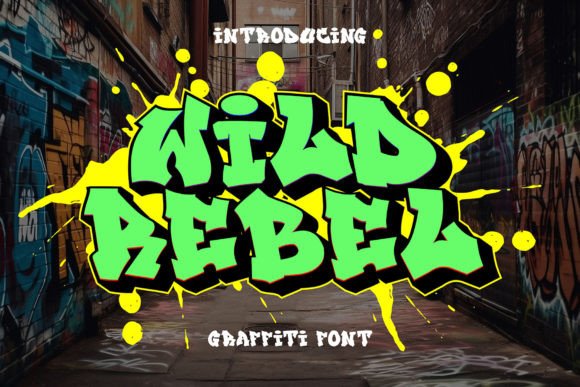
As a marketing designer, I often find myself in the middle of a campaign sprint—whether it's preparing a product launch graphic or tweaking a YouTube thumbnail. Last week, I was tasked with creating a promotional banner for a new streetwear line, and Wild Rebel was the perfect fit. This urban graffiti font is more than just a typeface; it’s a visual statement that commands attention in a crowded digital space.
Wild Rebel for Music Posters and Event Branding
When designing a music poster for an underground concert, I knew the font needed to match the energy of the event. Wild Rebel delivered with its sharp edges and bold look, making it ideal for high-impact headlines. The font’s aggressive style adds a layer of authenticity that resonates with the target audience. It’s not just about looking edgy—it’s about communicating the right vibe through typography.
Using Wild Rebel for event branding also helped maintain consistency across different touchpoints. From social media posts to email campaigns, the font provided a cohesive visual language that reinforced the brand’s identity. It worked especially well in short headlines and callouts, where clarity and impact are key.
Wild Rebel on Instagram Posts and Pinterest Pins
Instagram and Pinterest are all about visual storytelling, and Wild Rebel thrives in these environments. When I created a series of branded templates for a fashion brand, the font stood out as a strong visual anchor. Its boldness made it easy to read on small screens, even when placed over busy backgrounds or dark images.
I paired Wild Rebel with a clean sans serif font for body text, which helped balance the design without overwhelming the viewer. This combination proved effective for quote graphics, product teasers, and promotional banners. The font’s personality added a unique edge that differentiated the content from competitors.
Wild Rebel for Apparel Designs and Streetwear Campaigns
For a recent streetwear campaign, I used Wild Rebel to create a series of shirt designs that needed to stand out on both physical and digital platforms. The font’s sharp edges and dynamic shape gave the designs a raw, rebellious feel that aligned perfectly with the brand’s aesthetic. It worked best on short phrases like “Wild Rebel” or “Urban Edge,” where the font could shine without being overused.
One challenge was ensuring readability on small text sizes, such as those used on tags or labels. While Wild Rebel is highly legible at larger sizes, it’s important to test it on mobile screens and thumbnails to avoid any loss of clarity. For these situations, I recommended using a lighter weight or adjusting the spacing to maintain legibility.
Wild Rebel for Digital Ads and Web Banners
When setting up a digital ad layout for a seasonal sale, I chose Wild Rebel for the headline to grab attention quickly. The font’s bold look made it stand out in fast-scrolling feeds, helping the ad break through the noise. It worked particularly well in dark mode, where its contrast against light text created a striking visual effect.
However, I also noticed that Wild Rebel isn’t suited for long copy or dense information. In these cases, a more readable font would be better. That said, for short, punchy messages like “Limited Time Offer” or “New Arrivals,” Wild Rebel excelled. It added a sense of urgency and excitement that aligned with the campaign’s goals.
Wild Rebel for Social Media Graphics and Content Series
Creating a content series for a YouTube channel, I used Wild Rebel for the thumbnails and reel covers. The font’s aggressive style immediately communicated the channel’s tone, making it easier for viewers to recognize the brand. It also helped differentiate the content from others in the same niche.
One of the most practical aspects of Wild Rebel is its versatility. It works well in a variety of formats, from website headers to email banners. However, I always recommend checking the font’s file formats and licensing before using it in client projects or commercial campaigns. Some fonts may have restrictions that could limit their use in certain contexts.